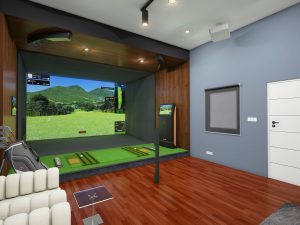
When you love golf and tech, you may have the idea of people laughing, competing, and staying for a drink after a round. That is exactly where the golf simulator business franchise sits at the crossroads of sport, entertainment, and hospitality.
This blog will guide you through six concrete tips to start an indoor golf simulator franchise, with approximate cost ranges, franchise examples, and research-backed market context so you can decide if this is your next play.
6 Steps for Starting a Golf Simulator Business Franchise
Starting a golf simulator franchise as an entertainment venture provides numerous advantages that appeal to both entrepreneurs and aspiring golfers. One of the primary benefits is the ability to attract a diverse clientele. Golf simulators are not just for seasoned players; they cater to beginners, families, and even individuals looking for a unique social experience. This inclusivity allows franchisees to create a welcoming environment where people can enjoy golf without the pressure of a traditional course setting. Additionally, with the rise of gamification in entertainment, golf simulators offer engaging features like virtual tournaments and skills challenges, making them attractive for group outings, corporate events, and casual get-togethers.
Moreover, the financial potential of a golf simulator franchise is quite compelling. As urban spaces become more crowded and outdoor golfing options are limited, more individuals are seeking alternative ways to enjoy the sport. This trend is supported by increasing investments in technology, ensuring that golf simulators are available with the latest graphics and realistic gameplay. Franchisees benefit from a scalable business model, as they can adapt their offerings to suit various demographics and preferences. Whether through membership packages, pay-per-play options, or special events, franchise owners have the flexibility to generate multiple revenue streams while contributing to the expanding culture of golf as a year-round indoor activity.
Step 1: Pick the Right Franchise Model for the Market You Know
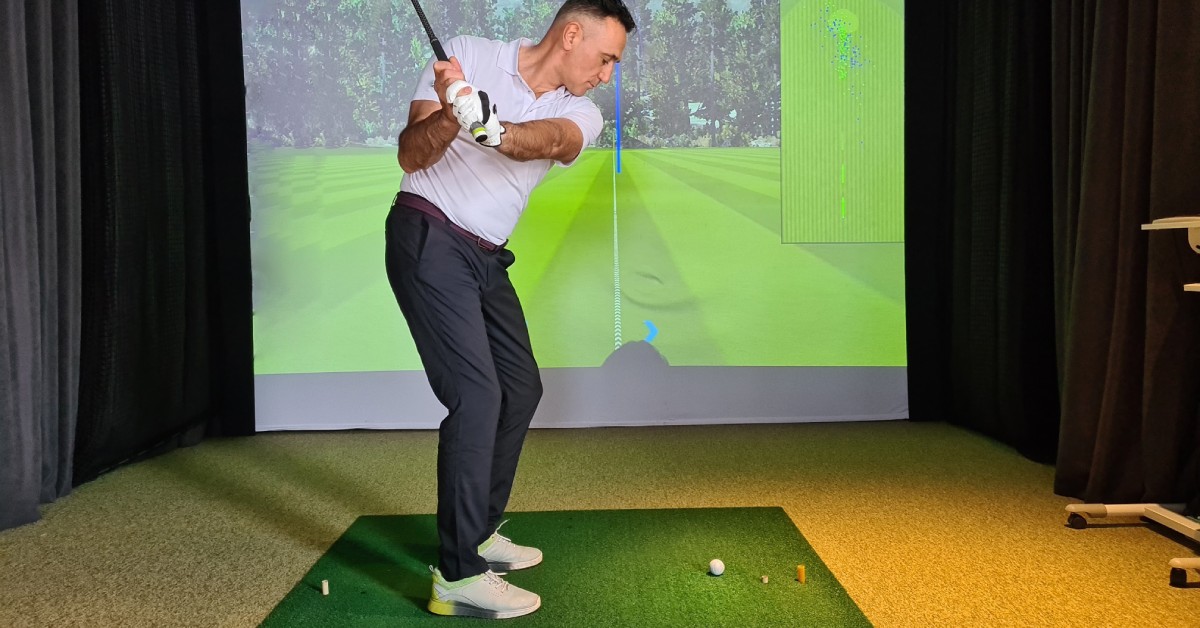
Think of franchise models as lanes on a golf course. There are full-service entertainment centers that combine food and drinks, coaching, and events; some operate like a golf simulator bar franchise. There are small-format studios focused only on lessons and hourly bay rentals. There are hybrid bars that add golf as a social hook, which many consider among the best golf franchises for steady footfall.
There are small-format studios focused only on lessons and hourly bay rentals, similar to the boutique setups as discussed in the GolfVX Lounge.
Choose the lane that matches local demographics, rent levels, and your appetite for operations. High-footfall urban neighborhoods will support entertainment-focused venues. Suburban areas may favor lesson-and-membership models.
Operators and buyers search this phrase because they want local availability, but also want to compare franchise commitments and territory exclusivity. Use that query to craft your local SEO and landing pages.
Step 2: Budget Realistically: Expect Wide Cost Ranges
You may expect total initial investments to range from roughly $170K for a very small, financing-supported concept to $1M plus for full-service, multi-bay franchised venues. Popular large franchise rollouts often list near or above $1M, depending on buildout, kitchen and bar fit out, and equipment choices. Those numbers matter because they determine whether you finance with a bank loan, an SBA loan, or private equity.
This is crucial for anyone starting a golf simulator business or comparing indoor golf franchise options.
Make that search query a headline on your FAQ and landing pages. Then answer with ranges, examples, and what affects the price most. For a deeper breakdown, refer to this guide on GolfVX’s cost-to-ROI breakdown.
Tip 3: Design Multiple Revenue Streams from Day On
A bay sitting empty is lost revenue. Don’t rely on bay rentals alone. Mix these streams:
- Hourly bay play and memberships.
- Lessons and coaching packages.
- Food and beverage sales.
- Corporate events, leagues, and tournaments.
- Retail and simulator-branded merchandise.
- Monthly subscriptions and app-based booking.
Operators who layer revenue bring steadier cash flow. For example, many facilities add beverage service and saw an immediate per-visit revenue lift. Software tools that automate bookings and memberships will reduce friction and increase repeat visits. If you’re wondering how to start a golf simulator business, this section is where your financial stability begins.
Step 4: Buy Equipment with an Eye on Service and Upgrade Paths
Hardware is not only about accuracy. It is about uptime and service support. Trackman, Foresight, and other high-end systems offer top accuracy but cost more. Cheaper setups exist and are fine for entertainment-first venues, but factor in replacement cycles and software licensing.
This is especially important for virtual golf franchise operators who depend heavily on realistic play.
Negotiate warranties, service SLAs, and upgrade options. A reliable vendor relationship reduces downtime and saves you embarrassment on busy nights.
Compare accuracy claims, support packages, and ecosystem features. Trackers that integrate tournaments, coaching analytics, and facility management software are more valuable for franchise operations. You can also review emerging simulator technologies and system capabilities to make informed choices, as highlighted in the GolfVX technology overview.
Step 5: Plan Operations and Community First
A simulator bar is not just tech. It is hospitality. Train staff to move from tee-time logistics to hospitality smoothly. Build a calendar of events: beginner nights, corporate happy hours, tournaments, and junior clinics. Make the place feel like a club.
Also, automate what you can. Booking software, membership platforms, and POS integrations cut admin time and reduce no-shows. Optix and other specialized platforms market themselves as ways to automate bookings, payments, and customer engagement for simulator venues.
If you are building an indoor driving range setup inside your franchise, smooth operations matter even more. You can also explore layout guidance, such as how much space your simulator requires.
Step 6: Validate with Local Market Testing and Conservative Financials
You can test a concept cheaply. Book pop-up simulator nights in an existing bar, partner with a local golf coach for demo days, or start with a single bay in a shared space. Collect real data on bay utilization, average spend per visit, and demand for lessons.
When you model finances, be conservative. Use 60 to 70 percent of optimistic demand estimates to stress test your cash flow. Tools and calculators exist that let you model revenue per bay and break-even points. Yardstick and other industry resources provide revenue calculators and sample projections. Use them.
Industry analysts report the global golf simulator market was valued at around USD 1.7–1.9 billion in 2024 and is projected to grow at a mid to high single-digit CAGR through the 2020s, indicating expanding demand for indoor golf experiences. That macro growth supports long-term franchising opportunities, but remember local execution is everything.
This is vital learning for anyone exploring a top golf franchise model.

Practical Checklist Before You Sign a Franchise Agreement
- Read the FDD or franchise disclosure thoroughly.
- Confirm territory exclusivity and how territories are defined.
- Get three franchisee references and visit at least one operating site.
- Validate buildout costs with local contractors.
- Ask about ongoing royalties, marketing fees, and required purchases.
- Confirm support for grand opening and ongoing operations.
These items will keep you from being surprised by recurring fees or large local marketing requirements.
Wrap Up
Imagine a busy Friday night when bays are full, a beginner is getting their first lesson, a corporate group is laughing through a team tournament, and a bartender is pouring local craft beers. That vibe is possible with the right model and relentless attention to operations.
FAQs
What is the best golf simulator franchise?
The “best” depends on what you want. If you want large entertainment venues with full food and beverage, franchises like X-Golf are proven. If you want lower capex and quicker deployment, look at smaller-format brands such as Tee Box or other studio-style franchisors. Compare fees, royalties, territory, and support.
Is a golf simulator business profitable?
Yes, it can be. Profitability depends on location, pricing, bay utilization, multiple revenue streams, and cost control. Case studies and operator reports show many venues reach profitability within a few years when they nail operations and diversify revenue. Still, like any hospitality business, margins vary, and good planning is essential.
How much does a golf simulator franchise cost?
Expect wide ranges. Small franchise or studio concepts can start around the low hundreds of thousands with financing. Full-service, multi-bay franchises with a kitchen and bar often sit near or above $1M total investment. Franchise fees, buildout, equipment, and working capital are the main drivers. Always get itemized estimates.
Is a golf simulator worth the investment?
It can be if you pick the right model, market, and team. Industry growth and rising consumer interest are positive signals. However, success is not automatic. Use local testing, conservative financial models, and choose a franchise partner that offers solid training and operations support.